Canada in WWII: Dieppe, Juno Beach, and the Battle of the Atlantic
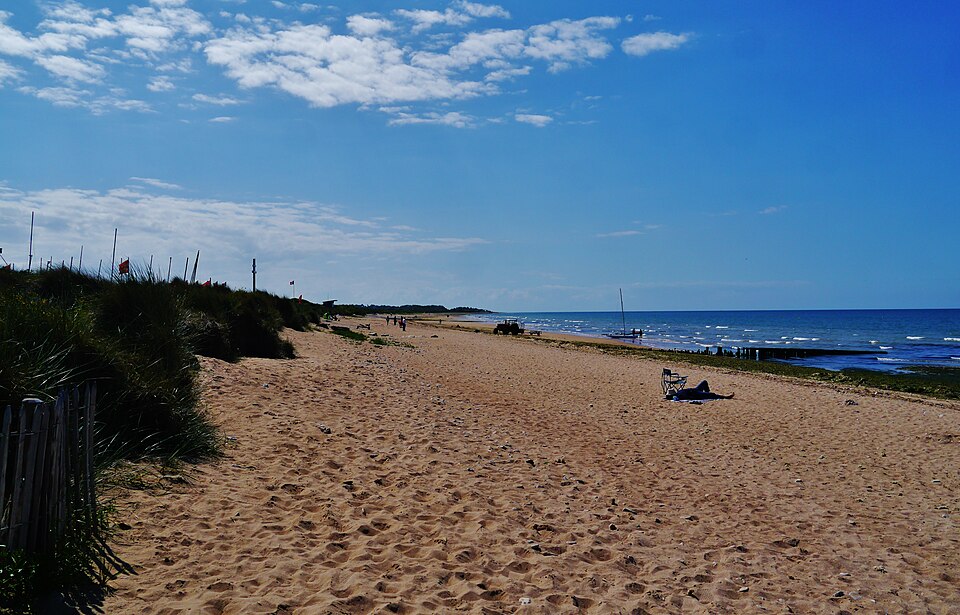
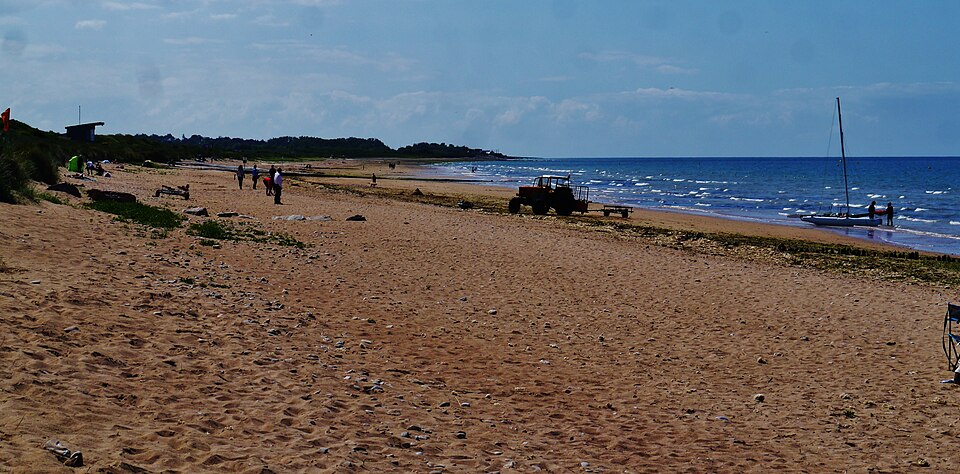
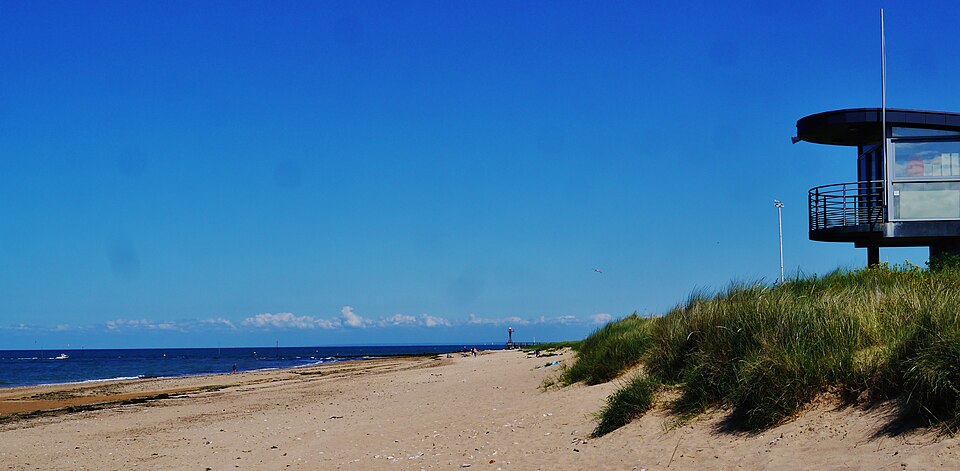
The Second World War was the biggest thing Canada had ever done. More than a million Canadians served — one in ten of the whole population — and they fought on every ocean and in every theatre, from the Atlantic convoys to the beaches of Normandy and the mountains of Italy. The war's darkest day for Canada was Dieppe in 1942, and its proudest was Juno Beach on D-Day in 1944. Between the two, Canada became something it had never been before: a middle power, with an army, a navy, and an air force of its own.
In short
Canada declared war on Germany on 10 September 1939 — a week after Britain, by a vote of its own Parliament, a first assertion of independence. More than 1.1 million Canadians served, out of a population of about 11.5 million, and more than 45,000 were killed. The Dieppe Raid of 19 August 1942 was a disaster: of about 5,000 Canadians, 3,367 were killed, wounded, or captured, including 916 killed. On D-Day, 6 June 1944, 14,000 Canadians landed at Juno Beach in Normandy; 1,096 were casualties, 381 killed, and by the end of the Normandy campaign more than 5,000 Canadians had died. In the Battle of the Atlantic, the Royal Canadian Navy grew from a handful of ships into one of the largest navies in the world, escorting the convoys that kept Britain alive.
A war of its own choosing
This time, Canada chose. When Britain declared war on Germany on 3 September 1939, Canada waited a week, debated in Parliament, and declared war on 10 September — by its own decision, not by London's. It was a small thing in itself, and a large one in meaning: the Statute of Westminster of 1931 had given Canada control of its foreign policy, and this was the first time it used it. Prime Minister Mackenzie King promised that Canada's war would be one of 'limited liability' — men and money, but no conscription for overseas service if it could be helped — a promise that would haunt him for five years.
The scale of the effort was enormous. More than 1.1 million Canadians and Newfoundlanders served — Newfoundland was still a separate British entity, and its men served in British forces. The Royal Canadian Navy, which began the war with 13 ships, ended it with more than 400, the third-largest navy in the world. The Royal Canadian Air Force trained more than 130,000 aircrew from across the Commonwealth under the British Commonwealth Air Training Plan, in airfields scattered across the Prairies. And Canadian factories turned out trucks, ships, and aircraft — including the trucks that carried the Allied armies across Europe. Canada became, in President Roosevelt's phrase, the 'aerodrome of democracy'.
Dieppe
For two years, Canadian soldiers trained in Britain while the war was fought elsewhere, and the pressure to get them into battle grew. On 19 August 1942, the Allies launched a raid on the French port of Dieppe, and the 2nd Canadian Division was chosen to make the main attack — nearly 5,000 Canadians, with 1,000 British commandos and 50 American Rangers. The plan was to land before dawn, damage the port, gather intelligence, and withdraw. Almost everything went wrong: the ships arrived late, the element of surprise was lost, the tanks could not climb the shingle beach and the seawall, and the men were pinned down in the open under heavy fire.
By the time the order to withdraw came, 3,367 Canadians had been killed, wounded, or captured — 916 killed and about 1,946 taken prisoner. Only about 2,200 of the 5,000 returned to Britain. It was Canada's worst day of the war, and it is still argued about today: some say the raid was a needless waste, others that the lessons it taught — about the need for heavy bombardment, specialised armour, and surprise — saved lives on D-Day two years later. Either way, Dieppe became a byword in Canada for sacrifice, and for the cost of learning war the hard way.
Italy and the Atlantic
After Dieppe, the Canadians went to war in earnest. In July 1943, the 1st Canadian Division landed in Sicily, and then fought its way up the Italian mainland — through the bloody house-to-house battle of Ortona in December 1943, which the soldiers called 'little Stalingrad', and on through the Liri Valley to Rome. The Italian campaign was slow, muddy, and costly, and it rarely gets the attention of Normandy, but it was where Canadian soldiers learned their trade.
At sea, the war was fought closer to home than most Canadians knew. In the Battle of the Atlantic, German U-boats hunted the convoys that carried food and weapons from North America to Britain, and Canadian warships escorted them across the ocean. The battle lasted the whole war and cost the lives of about 2,000 members of the Royal Canadian Navy, 1,600 Canadian merchant seamen, and 752 airmen. U-boats even slipped into the St. Lawrence River and the Gulf, sinking 23 ships and killing hundreds of people in Canadian waters. By 1943, Canadian ships and aircraft, with new radar and better tactics, were winning the battle — and the convoys got through.
Juno Beach and the road to victory
On 6 June 1944 — D-Day — the Allies launched Operation Overlord, the largest seaborne invasion in history, against the coast of Normandy. Nearly 150,000 troops landed or parachuted in on the first day, including 14,000 Canadians at Juno Beach. The Royal Canadian Navy contributed 124 vessels and 10,000 sailors, and the Royal Canadian Air Force contributed 39 squadrons. The Canadians at Juno faced fierce resistance, but by the end of the day they had pushed further inland than any other Allied force — further than the planners had thought possible. Their casualties that day were 1,096, of whom 381 were killed.
The Normandy campaign lasted until 21 August 1944, and by its end the Allies had suffered 209,000 casualties, including more than 18,700 Canadians, of whom over 5,000 had died. The Canadians played a central role in closing the Falaise Gap, trapping the German army in Normandy, and then fought on through France, Belgium, and the Netherlands — liberating Dutch cities that still send tulips to Ottawa every year in thanks. The war in Europe ended on 8 May 1945; the war against Japan ended in August. Canada had lost more than 45,000 dead, and its veterans came home to a country that was richer, more industrial, and more self-confident than the one they had left. It was also a country that had promised itself, again, that it would never again send its young men to a war without asking them first — a promise the Conscription Crisis of 1944, when King was finally forced to send conscripts overseas, had already broken once.
| Milestone | Date | What happened |
|---|---|---|
| Canada declares war | 10 Sept 1939 | By its own Parliament, a week after Britain |
| Battle of Hong Kong | Dec 1941 | Canadian garrison overwhelmed; many taken prisoner |
| Dieppe Raid | 19 Aug 1942 | 3,367 Canadian casualties; 916 killed |
| Invasion of Sicily | 10 July 1943 | Canadians land in Sicily; Italian campaign begins |
| Battle of Ortona | Dec 1943 | House-to-house fighting in Italy |
| D-Day: Juno Beach | 6 June 1944 | 14,000 Canadians land; 381 killed on the day |
| Battle of Normandy ends | 21 Aug 1944 | 18,700+ Canadian casualties; 5,000+ killed |
| Liberation of the Netherlands | 1944–45 | Canadians free Dutch cities; tulips sent yearly since |
| Victory in Europe | 8 May 1945 | War in Europe ends |
| Victory over Japan | Aug 1945 | War ends; 45,000+ Canadians dead in all |
| Newfoundland joins Canada | 31 March 1949 | Tenth province; veterans' benefits extended |
Sources: The Canadian Encyclopedia, 'D-Day and the Battle of Normandy'; Veterans Affairs Canada; canadianfallen.ca, 'Second World War'; globalsecurity.org, 'Canada — History'. Checked 29 November 2026.