Complete History of Canada
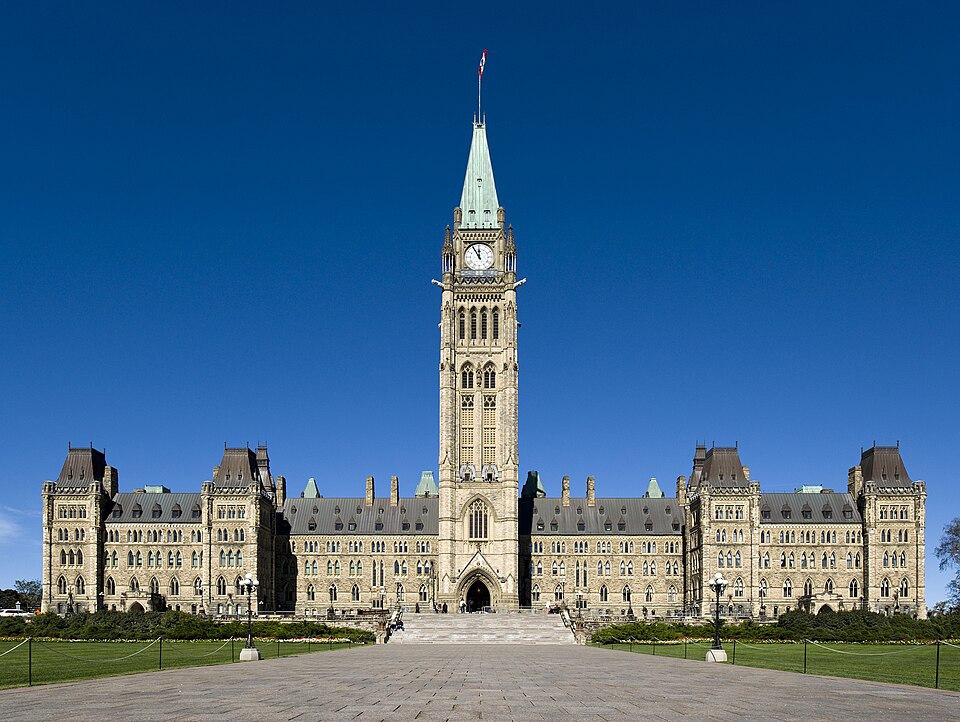
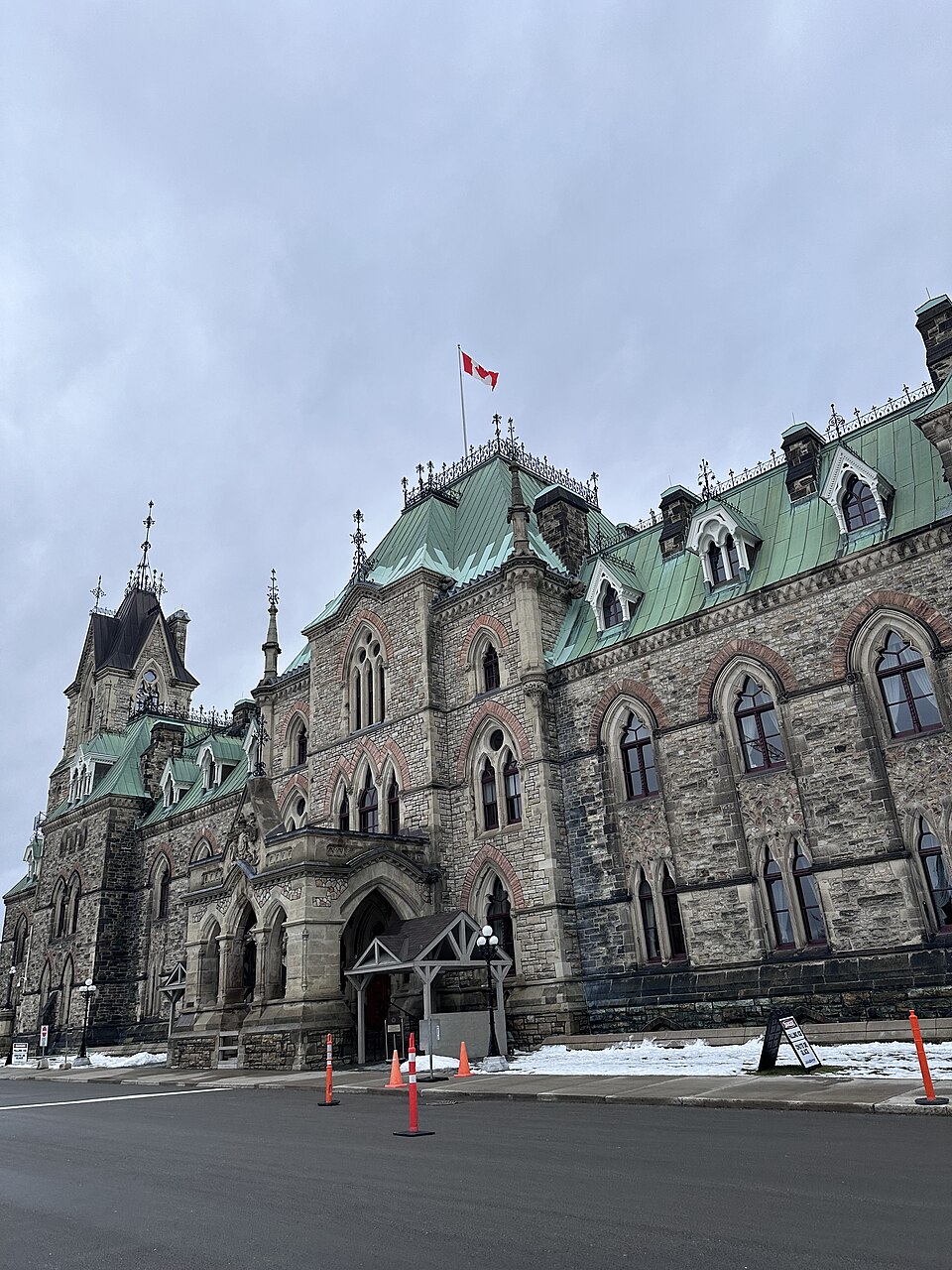
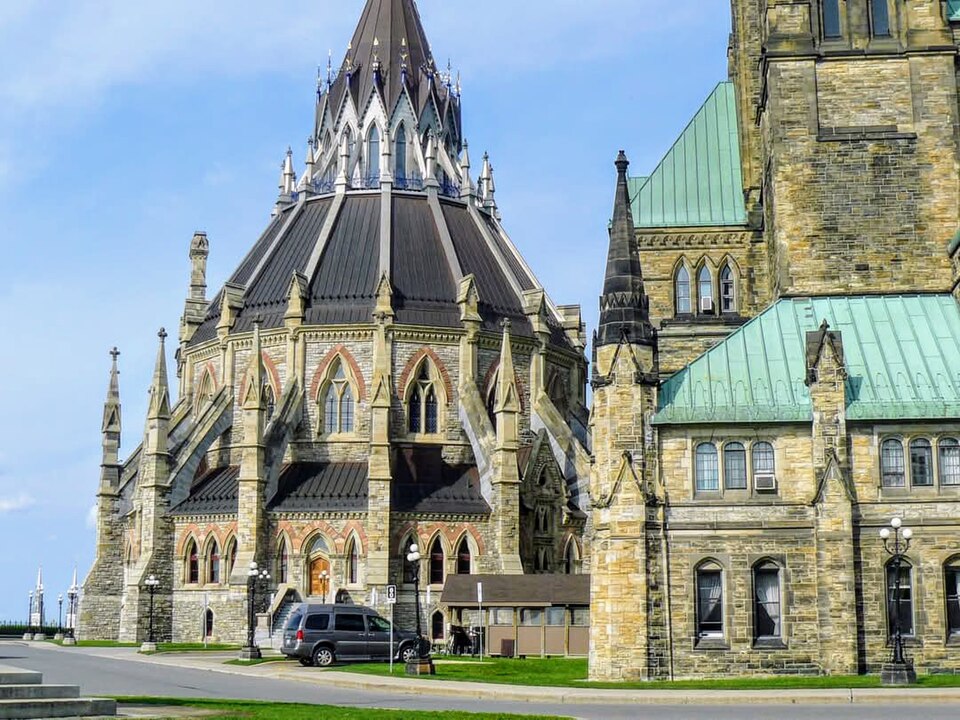
Canada is the story of a northern country and the peoples who made it: First Nations, Inuit, and Metis who lived here for thousands of years; Norse sailors who built a camp in Newfoundland around the year 1000; French settlers who founded Quebec in 1608; British conquerors who took it in 1759; and the negotiators who built a federation in 1867 that now stretches from the Atlantic to the Pacific to the Arctic. This site tells that story in eleven chapters, from the first peoples to the modern country. Each guide explains one great chapter in plain English: what happened, who was involved, and what it changed. Start anywhere; the story makes sense in any order, but it is best read from the beginning.
Start here
Five numbers tell the story. In 1021, the year the Norse cut wood at L'Anse aux Meadows, Europeans were already in Canada — nearly five centuries before Columbus. In 1867, four provinces became the Dominion of Canada; today there are ten provinces and three territories. In the First World War, more than 600,000 Canadians served and about 60,000 died, out of a population of about 8 million. In the Second World War, 14,000 Canadians landed at Juno Beach on D-Day, 6 June 1944. And in 1995, Quebec voted on independence a second time — and stayed, by 50.6 percent to 49.4 percent, the closest vote in the country's history.
The first centuries
- First Nations and Inuit — thousands of years before Europeans: the Haudenosaunee Confederacy, the totem poles of the Pacific coast, and the Inuit of the Arctic.
- Vikings and Early Explorers — the Norse at L'Anse aux Meadows around the year 1000, Cabot in 1497, and Cartier in 1534.
- New France — Champlain founds Quebec in 1608, and the fur trade builds a French empire on the St. Lawrence.
- The British Conquest — the Plains of Abraham in 1759, the Quebec Act of 1774, and the War of 1812.
A country across a continent
- Confederation 1867 — four provinces become the Dominion of Canada on 1 July 1867.
- Westward Expansion — Rupert's Land, the last spike of the Canadian Pacific Railway in 1885, and Louis Riel.
- Canada in WWI — Vimy Ridge in 1917, Passchendaele, and the conscription crisis.
- Canada in WWII — Dieppe in 1942, Juno Beach on D-Day in 1944, and the Battle of the Atlantic.
Canada today
- Modern Canada — the Charter of 1982, Quebec's referendums of 1980 and 1995, and reconciliation.
- Canadian Geography and Provinces — ten provinces, three territories, and the second-largest country on earth.
- Canadian Culture and Identity — two official languages, multiculturalism since 1971, and the maple leaf.
What this site will not do
Canada Decoded is general information for curious readers, not advice for any specific purpose — it will not tell you what to believe about a contested event, only what the evidence says and where historians disagree. It recommends no products, carries no affiliate links, and never collects your email address. Dates before the modern era are approximate, and the guides say so where the evidence is uncertain; where historians disagree, the guides name the debate instead of picking a side.
All dates on this site were checked against the sources named on each page on 29 November 2026. Dates before the modern era are approximate, and each guide says where the evidence is uncertain or historians disagree.
Sources: This site's facts come from primary and reference sources named on each page: The Canadian Encyclopedia, Parks Canada, Veterans Affairs Canada, the Government of Canada (Discover Canada), the British North America Act 1867, Statistics Canada, and the Truth and Reconciliation Commission of Canada.